Preparing Trail-Ready Dogs: Skills for Safe, Fun Adventures in Portland and Beyond
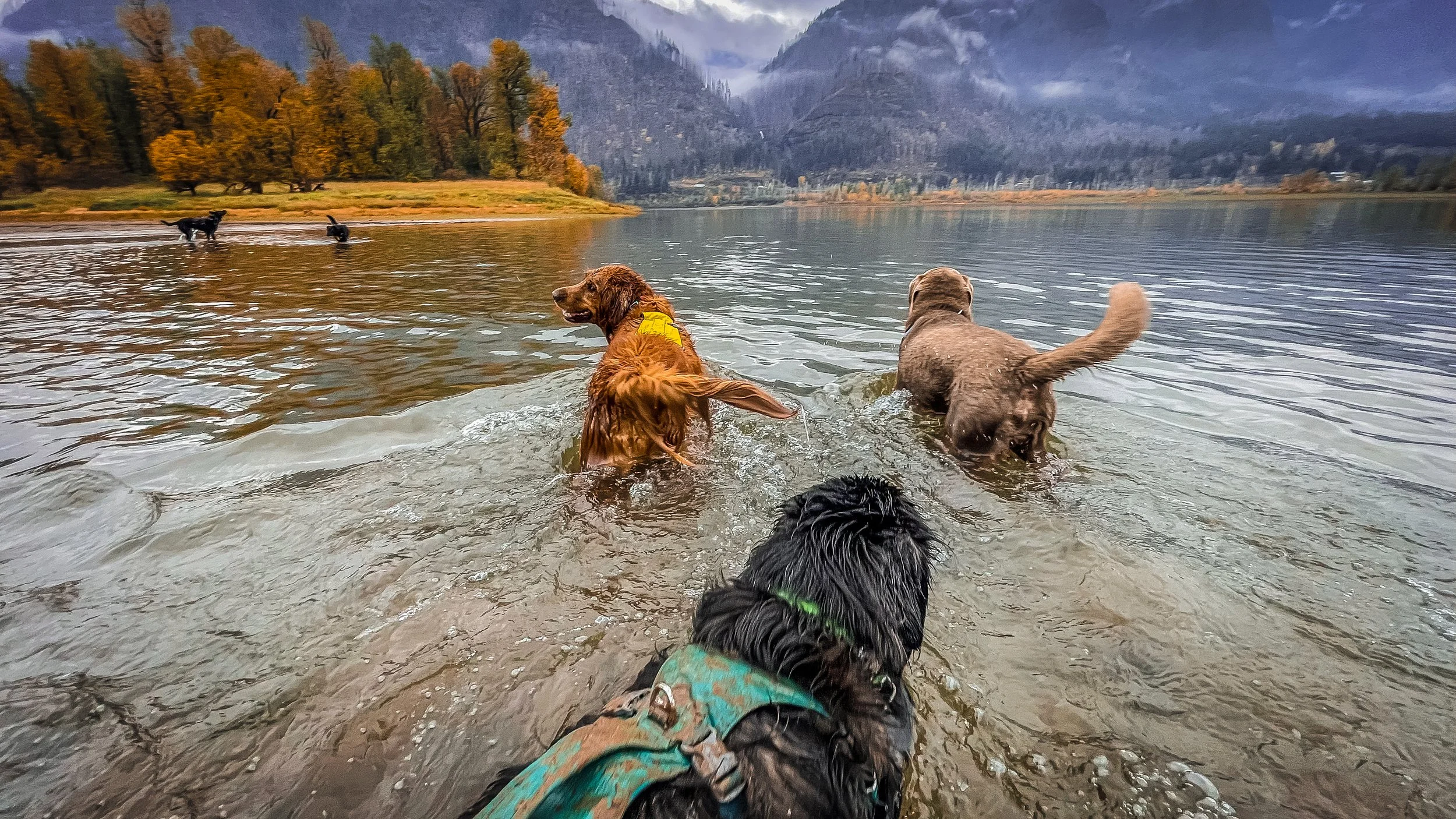
Picture it: a ribbon of singletrack, ten happy dogs trotting in rhythm, ears up, tails loose, eyes sparkling. You call, “This way!” and the whole crew arcs with you like a school of fish. That kind of harmony doesn’t happen by accident—it’s built on a handful of skills that keep dogs safe, respectful, and free to enjoy the outdoors.
Whether you hike with one dog or a pack of ten, these essentials turn good trail dogs into trail-ready wild pups. This guide is perfect for dog owners in Portland and Beaverton, Oregon, as well as worldwide clients seeking virtual training support or video-based analysis for their dogs.
Rock-Solid Recall: The Key to Off-Leash Freedom
Off-leash freedom is a privilege, and recall is the price of admission. It’s more than “coming when called”—it’s choosing you over every other interesting thing in the woods.
Step-by-Step Recall Training
Name Game & Eye Contact: Say your dog’s name once. When they flick eyes to you, mark it and reward generously. Eye contact is the on-switch for listening.
“This Way!” Means Change Direction: Give your cue in a happy, consistent tone, then turn and move. Dogs love to chase; your movement becomes the reward.
Opposite-Direction Practice: Randomly walk away. When your dog follows, celebrate. Staying with you pays.
Long-Line Safety: Use a 15–30 ft line to practice recall around distractions. Let the dog make choices, then help them succeed.
Whistle or Emergency Recall: Teach a special sound that always pays like a jackpot. Never use it for unpleasant experiences.
Reward Returns Generously: Fast returns earn food, play, and freedom—coming back should be part of the adventure.
Proof Gradually: Practice near other dogs, wildlife smells, bikes, and water. Gradually increase distance and difficulty.
Pro Tip: Say the cue once. If your dog misses it, move closer and lower the difficulty to help them succeed.
Social Without Reactivity: Calm, Polite Trail Manners
Great trail manners aren’t about making friends—they’re about calm, respectful passing when hiking with dogs, bikers, or other people.
On-Trail Etiquette
Consent is King: Only allow off-leash greetings if all parties agree. Step aside and give space.
Default Position: Teach “with me” (dog at your side) and “wait” for passing others.
Look At That Game: Pair triggers (people, dogs, bikes) with treats at a safe distance.
Treat and Retreat: Move dogs away from pressure with treats, then try again. Distance is key. I aim for 20 feet. With a pack I get out of sight completely.
Keep Arousal Low: Practice calm greetings and passes.
Avoid Punishment for Growling: Growls are communication—thank your dog and give space.
Note for Reactive Dogs
If your dog has strong reactivity, work below threshold, use a long line, consider a muzzle, and consult a qualified rewards-based trainer. Virtual sessions or video analysis can help refine this skill globally.
Trail-Ready Fitness: Strength, Endurance, and Agility
Uneven ground, water crossings, and logs require a fit, agile body.
Fitness Essentials for Trail Dogs
Increase Mileage Gradually: Add 10–20% per week, not per day.
Warm-Up & Cool-Down: Prevent injuries with a few minutes of easy walking.
Nail & Paw Care: Keep nails short, condition pads, check for cuts, seeds, burrs, and foxtails.
Strength & Balance: Hill repeats, figure-eights, backing up, cavaletti poles, and gentle core exercises.
Packs & Weight: If dogs carry packs, start empty and build slowly. Keep load ~10–15% of body weight for adults; never load puppies.
Monitor Weather: Offer water frequently, watch for heat stress, snowballing, or ice cuts.
Pack Culture: Harmonious Group Trail Manners
When hiking with multiple dogs, safety and flow come from shared rules and predictable routines.
Key Pack Skills
Check-Ins: Reward dogs that glance back or return spontaneously.
“Leave It” & “Drop”: For wildlife, trash, or trail treasures.
“With Me” & “Wait”: Crucial at trailheads, blind corners, bridges, and crossings.
Calm Starts: Give sniff and decompression time before setting off.
Space & Pacing: Match energy levels, rotate play partners, avoid arousal cascades.
Food Breaks: Park dogs on mats or “spot” to prevent guarding or crowding.
Essential Gear: Harness, ID tags, microchip, whistle, long line, high-value treats, first-aid kit, GPS tracker for backcountry.
Trail & Wildlife Etiquette
Off-leash only where legal and under reliable voice control.
Yield to hikers, bikers, equestrians, and children.
Keep dogs close during nesting/fawning seasons.
Pack out all waste.
Maintain core vaccines, parasite prevention, and updated ID.
Pre-Trail Checklist
Reliable recall around dogs, scents, and distractions.
Calm passing of other trail users.
Fitness matches the planned route and weather conditions.
Water, snacks, first-aid, and leashes for every dog.
Knowledge of local leash laws and dog-per-handler limits.
The Payoff: Flow on the Trail
When all these skills come together, you feel it: the group breathes as a unit. Dogs range and return, read each other, and flow effortlessly. You’re not managing chaos—you’re guiding a safe, harmonious adventure.
Preparing a wild pup isn’t about perfection—it’s about trust, rewarding good choices, and consistent routines. Do that, and every outing becomes exactly what you envisioned: a safe, thrilling adventure with dogs that love the wild as much as you do.