5 Toxic Plants to Watch for When Hiking with Your Dog in the Pacific Northwest
Exploring the breathtaking landscapes of the Pacific Northwest with your dog can be an enriching adventure. However, it comes with the responsibility of ensuring your canine companion’s safety. While the region offers diverse flora, not all plants are friendly to dogs. In this guide, we highlight five plants to be cautious of when hiking with your dog in the PNW.
1. Devil’s Club (Oplopanax horridus): A Thorny Encounter
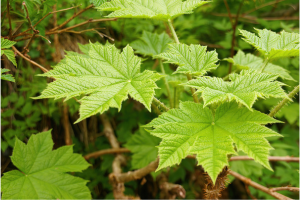
Devils Club
The nastiest plant in the PNW
Native to the PNW, Devil’s Club is a striking plant with large, maple-like leaves and sharp thorns. While it adds to the natural beauty of the region, it can cause pain, swelling, and potential infection if your dog brushes against or steps on it.
Safety Tip: Keep your dog on marked trails and avoid areas densely populated with Devil’s Club.
2. Foxglove (Digitalis purpurea): A Deceptive Beauty

Foxglove
Gorgeous but toxic
Foxglove is known for its tall, tubular flowers — captivating, but toxic to dogs. Ingesting any part of the plant, especially leaves, can lead to nausea, vomiting, and heart irregularities.
Safety Tip: Prevent your dog from nibbling on roadside vegetation where Foxglove may grow.
3. Hemlock (Conium maculatum): Not the Coniferous Friend You’d Expect
Poison Hemlock is a highly toxic herbaceous plant, often found in moist areas along trails. Ingesting Hemlock can be fatal, causing tremors, seizures, or respiratory failure.
Safety Tip: Familiarize yourself with Hemlock’s appearance and avoid areas where it grows abundantly.
4. Yew (Taxus spp.): A Hidden Danger in Evergreen Beauty
Yew bushes are common in both natural and residential landscapes in the PNW. Unfortunately, every part of this evergreen is toxic, and ingestion can cause rapid heart failure in dogs.
Safety Tip: Keep dogs away from Yew bushes, especially near cultivated or landscaped areas.
5. Wild Lily of the Valley (Convallaria majalis): Charming but Harmful
Wild Lily of the Valley has delicate, bell-shaped flowers, but it contains toxins affecting heart and gastrointestinal health.
Safety Tip: Monitor your dog carefully and prevent them from snacking on these flowers during hikes.
Preventive Measures and Safety Tips
Trail Etiquette: Stay on marked trails to reduce the risk of encountering toxic plants.
Leash Control: Keep your dog on a leash, particularly in unfamiliar or dense vegetation.
Educate Yourself: Learn to recognize local flora and their potential dangers.
Emergency Preparedness: Know the nearest veterinary clinic and symptoms of plant toxicity.
Conclusion: Happy and Safe Trails Await
The Pacific Northwest is full of natural wonders, but awareness of potential hazards is key. By recognizing and avoiding these five toxic plants, you can ensure your hikes are enjoyable and safe for both you and your adventurous pup. Stay informed, stay vigilant, and let the beauty of the PNW be a source of joy for both you and your four-legged companion.
Happy trails!